Furnace lights then shuts off after a few seconds
We test the flame sensor microamp signal first. If it is below spec, we clean the rod or replace it. If the reading is fine, we move to the control board and gas valve to find the real cause.
When your furnace lights for a few seconds and quits, it is usually a dirty or failed flame sensor. Our furnace flame sensor repair Ashland OH service restores steady ignition, often in a single visit. We test the sensor with a multimeter, clean or replace it, and verify the full ignition cycle before we leave your basement or utility closet.
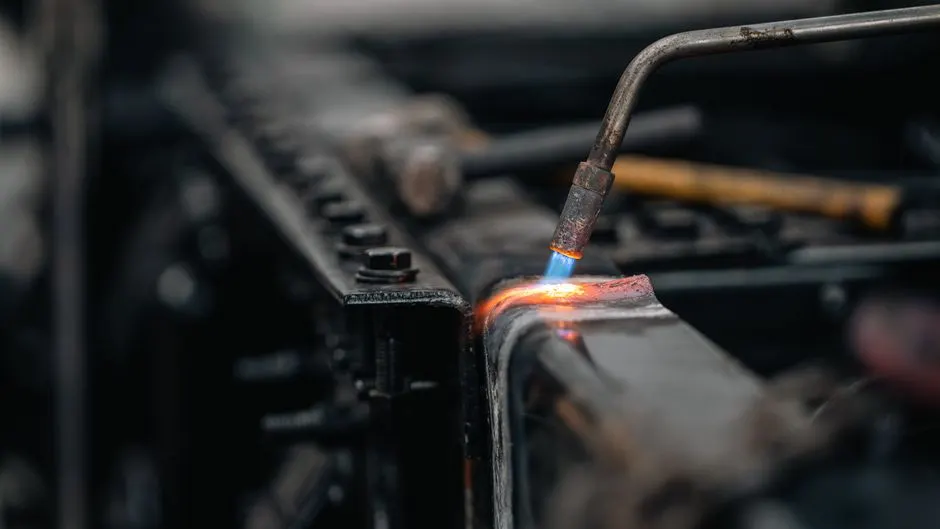
Furnace flame sensor repair Ashland OH is the diagnostic and repair work that restores the safety circuit your furnace uses to prove a flame is actually burning. The sensor is a small metal rod mounted in the burner flame path. It sends a microamp signal to the control board; when that signal drops, the board shuts the gas valve within seconds to prevent unburned gas from pooling. We pull the sensor, test it with a flame sensor tester or multimeter, clean it with a wire brush, and replace it when the rod is pitted or the ceramic insulator is cracked.
Most Ashland homes call us because the furnace fires, runs 3 to 8 seconds, then locks out. That pattern repeats until the board throws a flame sensor error Ashland homeowners see as a blinking LED code. Cold snaps in Ashland County push older Carrier, Trane, Lennox, and Goodman units hard, and a sensor that read fine in October can fail by the first hard freeze. If you need flame sensor repair near me Ashland service on a night when the house is dropping below 60 degrees, we treat it as a no-heat call, not a routine tune-up.
Every furnace flame sensor repair Ashland OH visit covers the sensor circuit and the parts that affect it. We test before we replace, and we tell you what we find. If the problem turns out to be a control board or gas valve, that is a separate repair and we quote it before we touch anything.
We pull the flame sensor and measure microamp output with a multimeter or flame sensor tester. We compare the reading to the manufacturer's spec for your Carrier, Trane, Lennox, or Goodman furnace.
Light oxidation comes off with a wire brush. If the rod is pitted or the ceramic is cracked, we install a new sensor from our truck stock. Most jobs finish with one visit.
We run the furnace through three full cycles and watch the flame signal on a combustion analyzer. The sensor has to hold steady through each one before we close the panel.
We inspect the heat exchanger with an inspection camera, test for carbon monoxide leak signs, and confirm the pressure switch and limit switch are working. NFPA 54 compliance is standard on every call.
You get the microamp reading, the part number of any sensor we installed, and a note on what to watch for next season. It is the record you want if the furnace acts up again in February.
You describe the symptom: short flame, repeated lockout, or a blinking code. We ask for the furnace brand and model, then dispatch a tech with the right sensors for Carrier, Trane, Lennox, Goodman, and Rheem units. Most Ashland calls are scheduled the same day.
The tech pulls the flame sensor and measures microamp output with a multimeter or flame sensor tester. A reading below the manufacturer's spec confirms the sensor is the problem. We also inspect the igniter, gas valve, and wire harness while the burner area is open.
Light oxidation comes off with a wire brush and steel wool. If the rod is pitted, the ceramic is cracked, or the reading stays low after cleaning, we install a new sensor. This is the step most homeowners ask about when they search flame sensor replacement Ashland Ohio.
We run the furnace through three full ignition cycles, watching the flame signal on a combustion analyzer and clamp meter. The sensor has to hold steady through each cycle before we close the panel. This is how we catch a failing control board before it strands you in January.
Final step is a combustion test and a carbon monoxide check at the supply plenum. We log the microamp reading, the flame sensor part number, and the date. You get a written summary of what was replaced and what to watch for next season.
Purpose-built equipment, used by trained technicians — so the job is done accurately the first time.
Measures microamp output from the flame sensor so we know whether cleaning worked or the rod needs replacement.
Confirms the burner is producing a stable flame and checks carbon monoxide levels at the supply plenum after the repair.
Verifies gas pressure at the manifold and tests pressure switch operation when the ignition sequence stalls.
Checks control board voltage and transformer output when the flame signal is inconsistent.
Lets us look at the heat exchanger and burner area without pulling the whole furnace apart.
The standard tools for flame sensor cleaning. We clean the rod without touching the ceramic insulator.
Tests standing-pilot furnaces that use a thermocouple instead of a flame sensor.
A homeowner in Downtown Ashland had a Trane furnace that lit for five seconds and shut off, four times in a row, then locked out. Two previous companies recommended a new control board at $900. The house was dropping to 58 degrees overnight.
We measured the flame sensor at 1.2 microamps, well below the 4.0 spec. Cleaning brought it to 3.1, so we replaced the rod. The furnace held flame through three full cycles and the house was back to 68 degrees in 90 minutes. Total cost: $240.
A family in Brookside called at 10 p.m. on a Sunday with no heat and a house full of kids. The Goodman furnace was throwing a flame sensor error and would not attempt ignition. Outdoor temperature was 12 degrees.
Our on-call tech arrived in 90 minutes, tested the sensor at 0.8 microamps, and installed a new flame sensor from truck stock. The furnace fired on the first attempt and held flame. The house was back to 68 degrees before midnight.
A Willow Creek homeowner had a Rheem furnace short cycling every four minutes. The flame sensor had been cleaned twice by another company, and the problem kept coming back. Gas use was up and the house never reached the set temperature.
We found a corroded ground connection dropping the flame signal, plus a dirty burner producing a lazy flame. We cleaned the burner, repaired the ground, and cleaned the sensor. The microamp reading went from 1.5 to 4.2, and the furnace ran a full 20-minute cycle without a lockout.
A flame sensor fault shows up in several ways, and not all of them look like a sensor problem. Here are the symptoms Ashland homeowners call us about most often, and what we do about each one.
Ask a pro →We test the flame sensor microamp signal first. If it is below spec, we clean the rod or replace it. If the reading is fine, we move to the control board and gas valve to find the real cause.
We read the code, confirm it matches the flame sensor circuit, and test the sensor, wire harness, and ground path. Most codes clear after a proper cleaning or replacement.
We check the flame sensor alongside the limit switch and pressure switch. A lazy flame from a dirty burner or low gas pressure will foul the sensor and cause the cycle to repeat.
We treat no-heat calls as priority dispatch. Our techs carry flame sensors, igniters, and thermocouples for the major brands, so most emergency flame sensor repair Ashland County calls end with a running furnace the same night.
“Our Trane furnace would light for five seconds and shut off. Two other companies told us we needed a new control board. These guys tested the flame sensor, showed me the low microamp reading, cleaned it, and the furnace has run fine for two months. Cost me $180 instead of $900.”
Dana R.Homeowner, Downtown Ashland
✓ Verified“Called at 10 p.m. on a Sunday in January with no heat and a house full of kids. The tech arrived in about 90 minutes, replaced the flame sensor on our Goodman, and had us back to 68 degrees before midnight. Fair price, no emergency surcharge games.”
Marcus T.Homeowner, Brookside
✓ Verified“We had a flame sensor error code blinking for a week. They came out, cleaned the sensor, checked the pressure switch and limit switch, and also replaced our furnace filter. Explained everything in plain language. I have them on the schedule for a fall tune-up now.”
Elaine P.Homeowner, Ashland University District
✓ VerifiedMost jobs run $150 to $320 in 2026, including the diagnostic. Cleaning alone is usually $150 to $220. Replacement with a new sensor runs $180 to $320 depending on brand and access. If the control board or gas valve is also failing, the price climbs, and we tell you before we start.
Repeat failures usually trace to three causes: a lazy burner flame from a dirty burner or low gas pressure, a bad ground path through the furnace chassis, or a control board sending inconsistent voltage. We test all three. If the sensor is being replaced twice a season, the sensor is not the real problem.
You can, and some homeowners do. Pull the sensor, scrub the rod with steel wool or a wire brush, and reinstall it without touching the ceramic. The catch is you cannot measure microamp output without a meter, so you will not know if the cleaning actually worked until the furnace locks out again at 3 a.m.
Most Ashland addresses see a technician within 2 to 4 hours on a standard day. Emergency flame sensor repair Ashland County calls after hours get priority dispatch, and we aim for 90 minutes to 2 hours when the roads are clear. Call +14195820227 and we will give you a real window.
Emergency Furnace RepairWhen your furnace quits at 2 a.m. in January, a failed flame sensor is one of the first things we check. Our emergency techs carry sensors and igniters so the no-heat call ends with a running furnace, not a next-day appointment.Explore →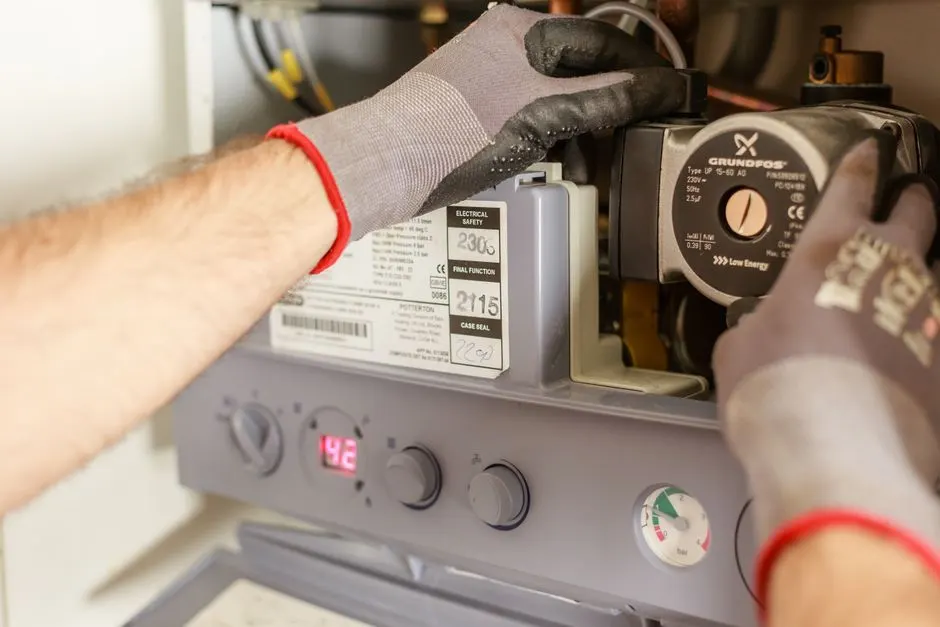 24/7 Furnace RepairFlame sensors fail on their own schedule. Our 24/7 line stays open through Ashland County nights, weekends, and holidays, and the technician who arrives can test microamp output and replace the sensor on the spot.Explore →
 Same-Day Furnace RepairMost flame sensor repairs are same-day jobs. We schedule around your workday, arrive with the right sensor for your brand, and finish in 60 to 90 minutes so you are not burning space heaters all evening.Explore →
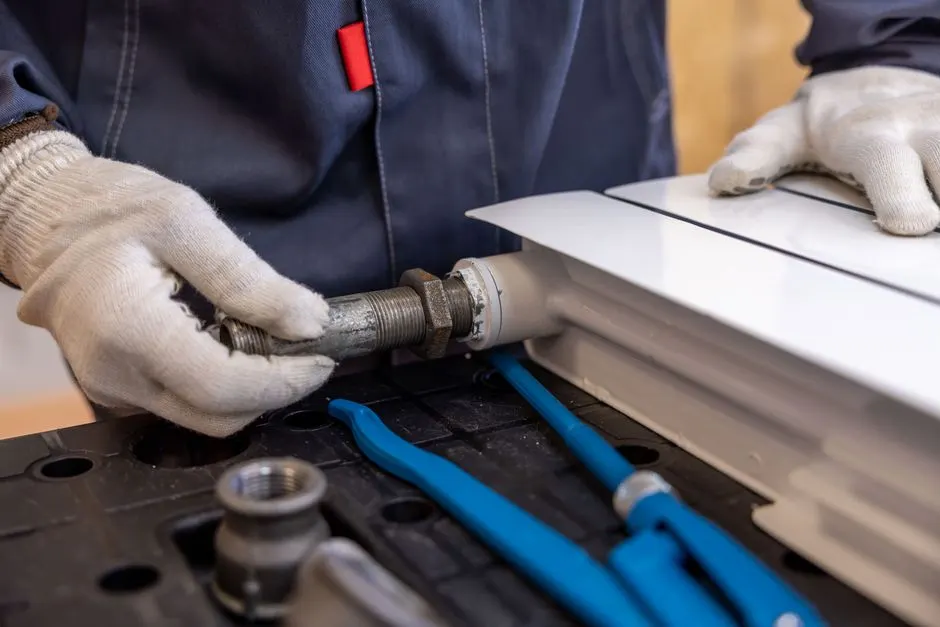 Furnace Not Heating RepairA furnace that runs but never heats is often a flame sensor lockout, not a dead blower. We diagnose the ignition sequence first, then move to the gas valve, limit switch, and control board if the sensor checks out.Explore →
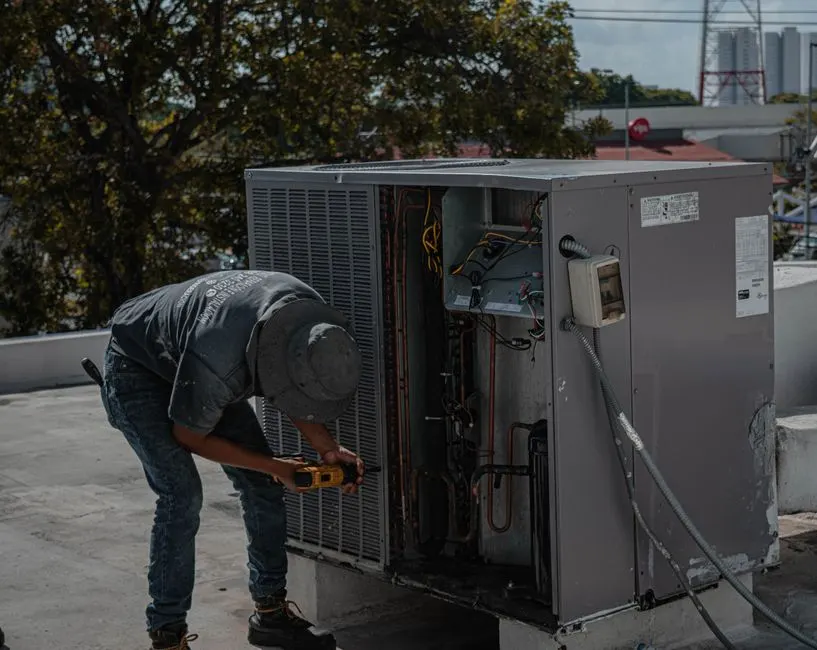 Furnace Blowing Cold Air RepairCold air from the vents usually means the burner never stayed lit. A dirty or failed flame sensor is a top cause. We test the sensor, clean or replace it, and confirm the burner holds flame through a full cycle.Explore →
 Furnace Ignition RepairIgnition problems and flame sensor problems look identical from the thermostat. We test the igniter, flame sensor, and gas valve together so you are not paying to replace the wrong part.Explore →
 Furnace Pilot Light RepairStanding-pilot furnaces in older Ashland homes use a thermocouple instead of a flame sensor. Same symptom, different part. We carry both and test the pilot flame quality before we replace anything.Explore →
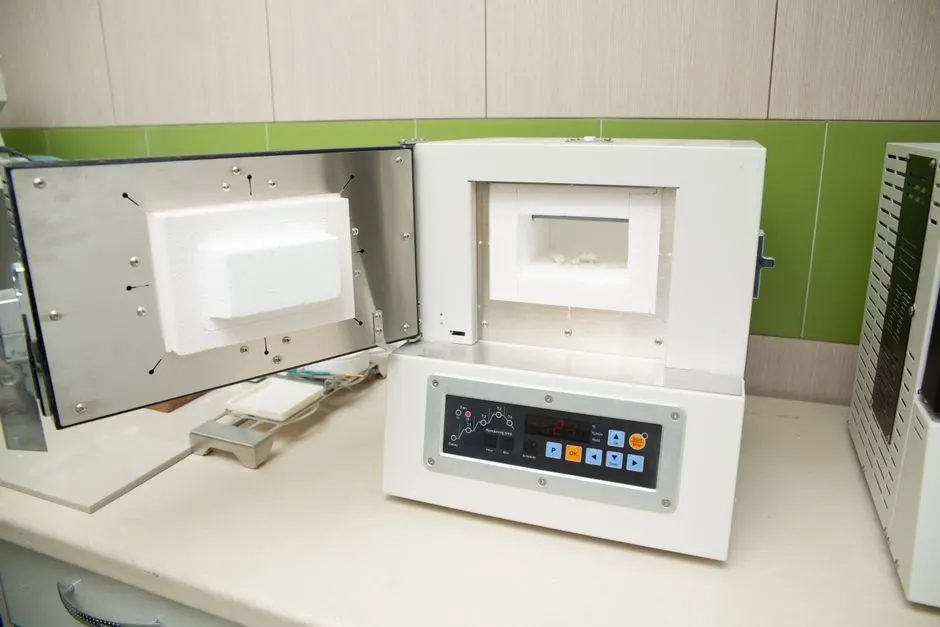 Furnace Thermocouple ReplacementIf your furnace has a standing pilot and the flame will not stay lit, the thermocouple is the flame-proving device. We test it with a thermocouple tester and swap it in the same visit.Explore →
If your furnace lights and quits, do not wait for the next cold snap. Call +14195820227 and we will dispatch a licensed tech for furnace flame sensor repair Ashland OH, usually the same day. Upfront pricing before we start.
Book Same-Day Repair +14195820227 →Call +14195820227 any time, day or night, and a live dispatcher will take your address and symptoms. We serve Ashland and Ashland County with same-day and emergency service. You can also email info@ashlandfurnacerepairpros.com and we will reply within one business hour.