Furnace runs but only blows cold air
We test the flame sensor, gas valve, and limit switch to find why the burners aren't lighting or staying lit. Most cold-air calls are a dirty flame sensor or a stuck gas valve, and we fix both the same visit.
When your furnace quits on a cold Ashland night, you need furnace not heating repair Ashland OH that actually shows up. We diagnose no-heat calls across Ashland County, from Downtown Ashland to Willow Creek, and fix the root cause - not just the symptom. Whether it's a dirty flame sensor, a failed igniter, or a cracked heat exchanger, our licensed techs carry the parts to get your heat back the same day.
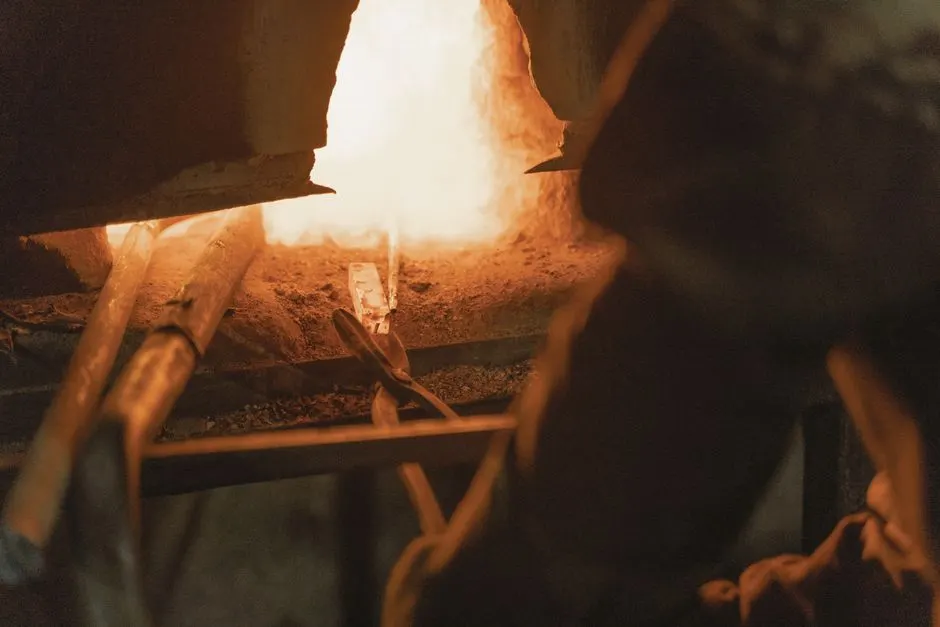
Furnace not heating repair Ashland OH is the diagnostic and mechanical service that restores heat when a furnace runs but never warms the house, or won't fire at all. We test the thermostat call, verify gas pressure with a manometer, check the igniter and flame sensor, and trace the fault through the control board, pressure switch, and limit switch. Most no-heat calls trace back to one of five parts: thermocouple, flame sensor, igniter, inducer motor, or gas valve.
In Ashland, no-heat calls spike from October through March, when overnight lows drop into the teens and single digits. Older homes near Historic Ashland and the University District often run 15- to 25-year-old Carrier, Trane, and Lennox furnaces that short cycle or blow cold air. If your furnace is not working in Ashland Ohio, we treat it as urgent - a frozen pipe repair costs far more than a flame sensor cleaning.
Every no-heat call includes a full diagnostic, a written price before work begins, the repair itself, and a safety check before we leave. Parts are billed at flat-rate pricing, and we warranty our labor for one year.
We test the thermostat call, control board voltage, gas pressure, igniter, flame sensor, inducer motor, pressure switch, and limit switch. This 30- to 45-minute diagnostic tells us exactly which component failed instead of guessing.
You get the repair cost in writing before we start. Common no-heat fixes run $180 to $450; larger parts like control boards and blower motors run $450 to $900 installed. No hourly surprises, no padded time.
We replace the failed thermocouple, flame sensor, igniter, pressure switch, control board, blower motor, inducer motor, gas valve, or capacitor with an OEM or equivalent part. Most repairs finish in one visit.
After the repair, we run the furnace through a full heat cycle and measure temperature rise at the supply and return. We confirm the limit switch, pressure switch, and flame rectification are all behaving before we call it done.
We test the flue and the air around the heat exchanger with a combustion analyzer on every no-heat call. If we find a CO leak or a cracked heat exchanger, we red-tag the furnace and explain your options.
Our repair labor is warrantied for one year, and parts carry the manufacturer's warranty. If the same component fails inside that window, we come back and fix it at no charge. We document the repair for your records.
You call and describe the symptoms - no heat, cold air, short cycling, or a furnace that won't fire. We ask about the brand, age, and thermostat, then dispatch the nearest tech. Most Ashland calls get a 60- to 90-minute arrival window, and emergency calls after 10 p.m. get priority dispatch.
The tech tests the thermostat call, checks voltage at the control board with a multimeter, reads gas pressure with a manometer, and inspects the igniter, flame sensor, and inducer motor. This 30- to 45-minute diagnostic pinpoints the failed component instead of guessing at parts.
You get a clear price for the repair before any work begins. If the furnace needs a thermocouple, flame sensor, or pressure switch, the number is usually $180 to $450. If it needs a control board, blower motor, or inducer motor, expect $450 to $900 installed.
We replace the failed part, then run the furnace through a full heat cycle. The tech checks temperature rise at the supply and return, verifies flame rectification, and confirms the limit switch and pressure switch are behaving. Most repairs take 1 to 3 hours from arrival to heat.
Before we leave, we run a combustion analyzer on the flue and check for carbon monoxide around the heat exchanger. If we find a cracked heat exchanger or a CO leak, we red-tag the furnace and walk you through options. Safety comes before the invoice.
Purpose-built equipment, used by trained technicians — so the job is done accurately the first time.
Measures gas pressure at the valve and pressure switch to confirm the furnace is getting the gas pressure it needs to fire and stay lit.
Tests voltage and continuity at the thermostat, control board, transformer, and every safety switch to isolate the failed component.
Reads flue gases and carbon monoxide levels to verify safe combustion and catch a cracked heat exchanger before it becomes a health risk.
Checks millivolt output on standing-pilot furnaces to confirm whether the thermocouple is worn and needs replacement.
Verifies flame rectification microamps so we know the sensor is reading the flame correctly and not shutting the furnace down.
Measures amp draw on blower and inducer motors and tests capacitors to catch a failing motor before it quits entirely.
Lets us look inside the heat exchanger and flue for cracks, blockages, or debris without tearing the furnace apart.
A high-efficiency Rheem furnace wouldn't fire. The pressure switch never closed, so the ignition sequence stopped every time. The house was at 58 degrees and dropping overnight.
We replaced the inducer motor, cleared a partially blocked condensate drain, and verified pressure switch operation with a manometer. Heat was back in 2.5 hours, and the furnace held temperature rise within spec.
A Goodman furnace fired for 8 to 10 seconds, then shut off. The homeowner had already replaced the thermostat with no luck. The house never got above 62 degrees.
We cleaned the flame sensor, verified flame rectification microamps, and checked gas pressure. The repair took 45 minutes and cost $190. The furnace ran full cycles and held 70 degrees.
A 22-year-old Carrier furnace short cycled and gave off a faint burning smell. A CO alarm in the hallway had gone off twice. The homeowner was ready to repair it, but the unit was unsafe.
Our inspection camera found a cracked heat exchanger. We red-tagged the furnace, explained the CO risk, and helped the homeowner choose a replacement. New furnace was installed and heating within two days.
Most furnace not heating up in Ashland County calls trace back to one of a handful of failed components. Here are the ones we see most, and what happens if you let them ride.
Ask a pro →We test the flame sensor, gas valve, and limit switch to find why the burners aren't lighting or staying lit. Most cold-air calls are a dirty flame sensor or a stuck gas valve, and we fix both the same visit.
We check airflow, the filter, the limit switch, and gas pressure with a manometer. A clogged filter or a failing limit switch is usually the culprit, and correcting it stops the cycling and restores steady heat.
We test the thermocouple with a thermocouple tester and check the pilot orifice. A worn thermocouple is the usual cause, and replacing it takes under an hour and gets the pilot holding steady.
We trace the ignition sequence from the thermostat to the control board, igniter, and gas valve. Whether it's a failed igniter, a bad control board, or a stuck pressure switch, we identify it and repair it on the spot.
“Our 22-year-old Carrier quit on a Friday night in January. The house was at 54 degrees by morning. They had a tech out by 9 a.m., found a failed inducer motor, and had heat back by noon. Price was exactly what they quoted on the phone. No runaround, no upsell.”
Dana R.Homeowner, Historic Ashland
✓ Verified“Furnace was firing for 10 seconds then shutting off. Turned out to be a dirty flame sensor. Tech cleaned it, tested the whole system, and charged me $190. He also showed me the filter was the wrong size and swapped it. Honest work, fair price.”
Marcus T.Homeowner, South Ashland
✓ Verified“We rent out a duplex near the university and the furnace stopped heating over winter break. They came out same day, replaced a pressure switch, and had both units running before the students came back. I've used them three times now for different properties.”
Karen L.Homeowner, Ashland University District
✓ VerifiedThe most common causes are a dirty or failed flame sensor, a bad igniter, a stuck pressure switch, or a tripped limit switch. In Ashland's older housing stock, we also see cracked heat exchangers and failed inducer motors on furnaces over 15 years old. A 30-minute diagnostic with a multimeter and manometer pinpoints which one it is.
Typical 2026 pricing in Ashland runs $180 to $450 for common repairs like a thermocouple, flame sensor, or igniter, and $450 to $900 for a control board, blower motor, or inducer motor. Emergency after-hours calls add a dispatch fee. You get the exact number in writing before we start the repair.
Call a licensed Ohio HVAC contractor with gas furnace experience. We hold an Ohio HVAC license, our techs are NATE-certified, and we carry parts for Carrier, Trane, Lennox, Goodman, Rheem, York, and Bryant on the truck. We serve all of Ashland County, including Downtown Ashland, South Ashland, and the University District.
Yes. We book same-day furnace blows cold air repair Ashland appointments for calls placed before 2 p.m., and we run 24/7 emergency dispatch after that. About 8 out of 10 no-heat calls end with heat restored the same visit because we stock the common failure parts on the truck.
 Emergency Furnace RepairWhen your furnace dies at 2 a.m. in January, our emergency crew rolls with the parts and tools to get heat back fast. We treat no-heat calls in Ashland as true emergencies, not next-day appointments.Explore →
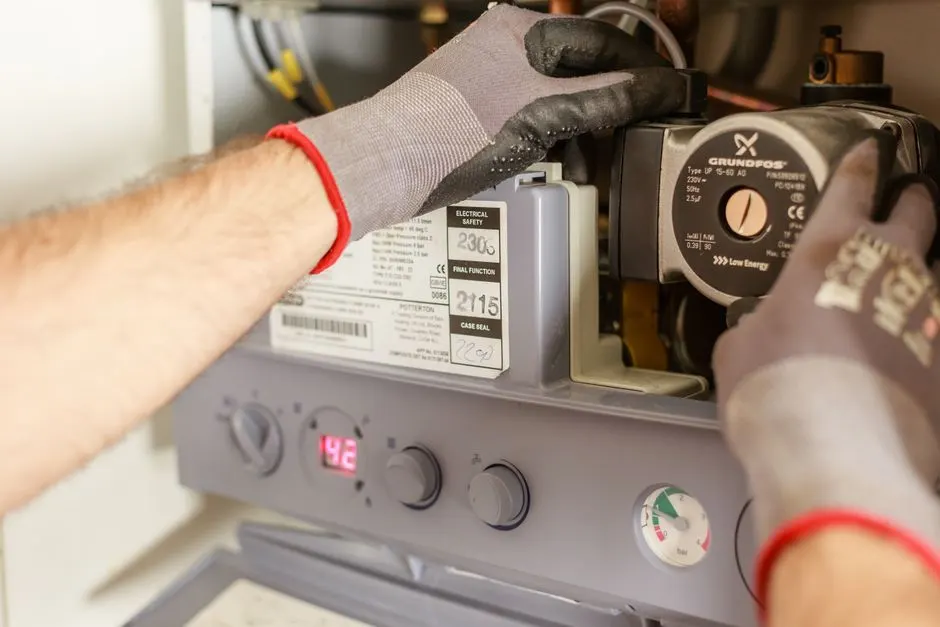 24/7 Furnace RepairOur phones are answered around the clock, every day of the year. If your furnace quits on a Sunday or a holiday, we dispatch a licensed tech to your Ashland home and get the heat running again.Explore →
 Same-Day Furnace RepairCall before 2 p.m. and we aim to have a tech at your door the same day. We stock igniters, flame sensors, thermocouples, and control boards for the brands we see most in Ashland County.Explore →
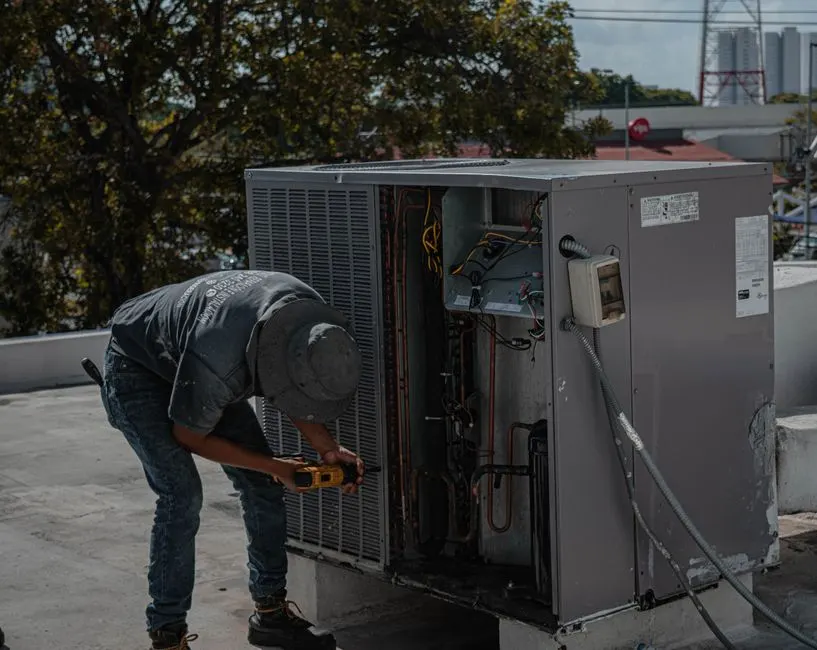 Furnace Blowing Cold Air RepairA furnace that runs but blows cold usually has a failed flame sensor, a stuck gas valve, or a tripped limit switch. We test each component and fix the one that actually failed, usually in a single visit.Explore →
 Furnace Ignition RepairIgnition failure is one of the top no-heat causes we see in Ashland. We test the igniter, the control board's ignition sequence, and the gas valve, then replace the failed part with an OEM or equivalent component.Explore →
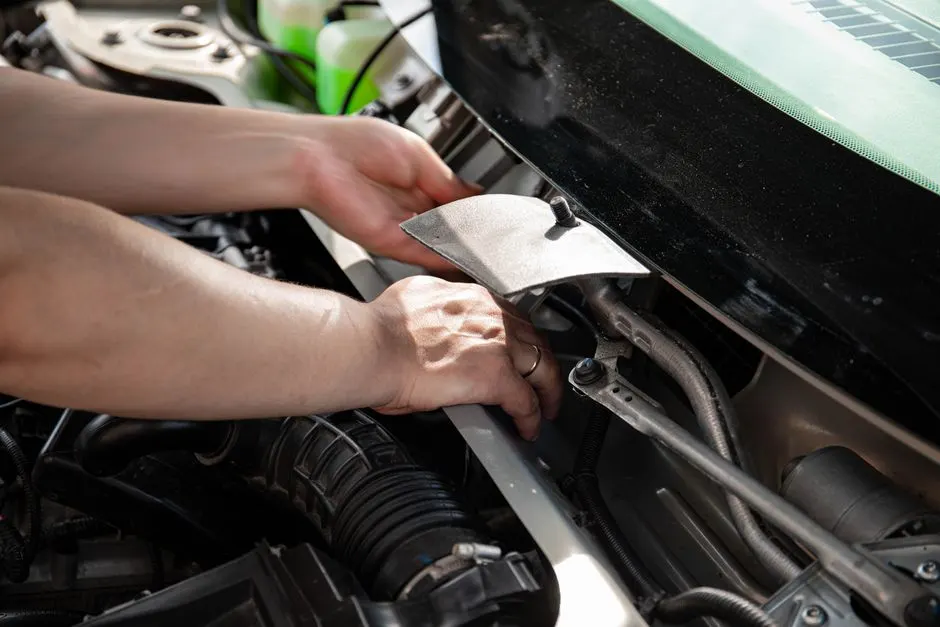 Furnace Pilot Light RepairStanding-pilot furnaces in older Ashland homes often lose their flame. We clean the pilot orifice, test the thermocouple with a thermocouple tester, and replace the thermocouple or gas valve if either has failed.Explore →
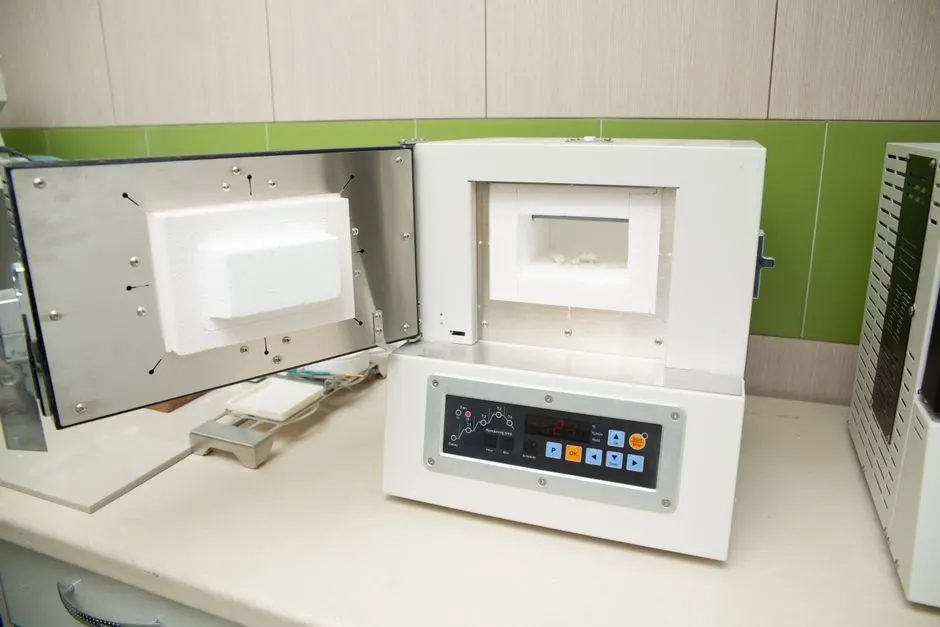 Furnace Thermocouple ReplacementA worn thermocouple is a classic reason a pilot light won't stay lit. We test millivolt output, replace the thermocouple, and verify the pilot holds before we leave your Ashland home.Explore →
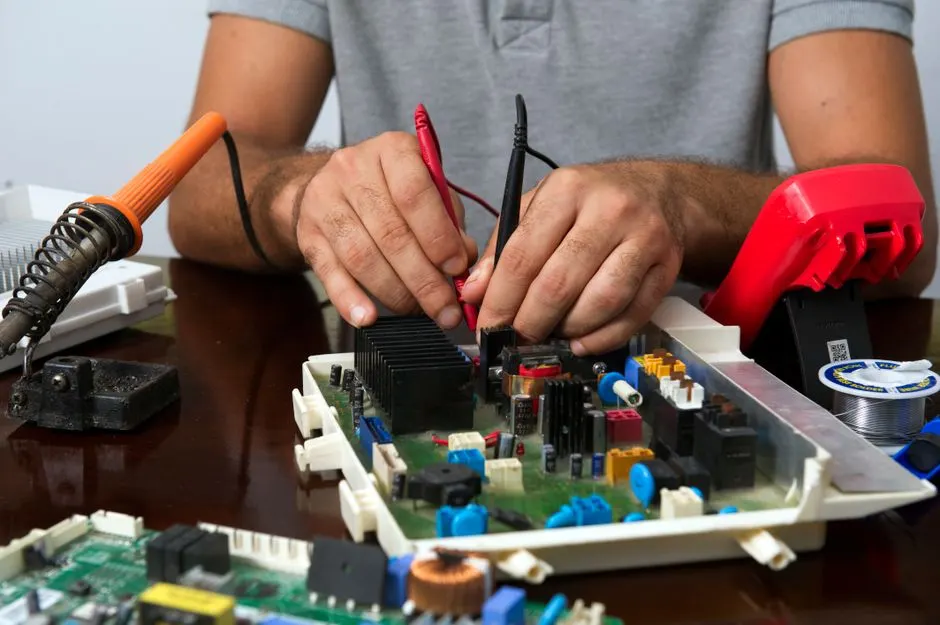 Furnace Control Board RepairA failed control board can stop the igniter, blower, or inducer from running. We test voltage at each terminal with a multimeter and replace the board if it's not sending the right signals.Explore →
Don't wait for the house to hit 50 degrees. Call now and we'll dispatch a licensed tech for furnace not heating repair Ashland OH, usually within 60 to 90 minutes. Same-day and 24/7 emergency service available.
Call Now +14195820227 →Call +14195820227 any time, day or night, and a live dispatcher will take your address and symptoms. We serve Ashland and Ashland County with same-day and emergency service. You can also email info@ashlandfurnacerepairpros.com and we will reply within one business hour.