Furnace blowing cold air
We test the flame sensor and thermocouple first. A dirty flame sensor is the most common cause. If the sensor is clean but the gas valve isn't opening, we test the valve with a manometer and replace it if it's failed.
Furnace maintenance and tune-up Ashland OH is the smartest way to avoid a mid-January breakdown. Our technicians clean, test, and calibrate your system so it runs safely and efficiently all season. Whether you own a Carrier, Trane, or Lennox, we handle every major brand. Book your furnace tune-up in Ashland before the first hard freeze hits.
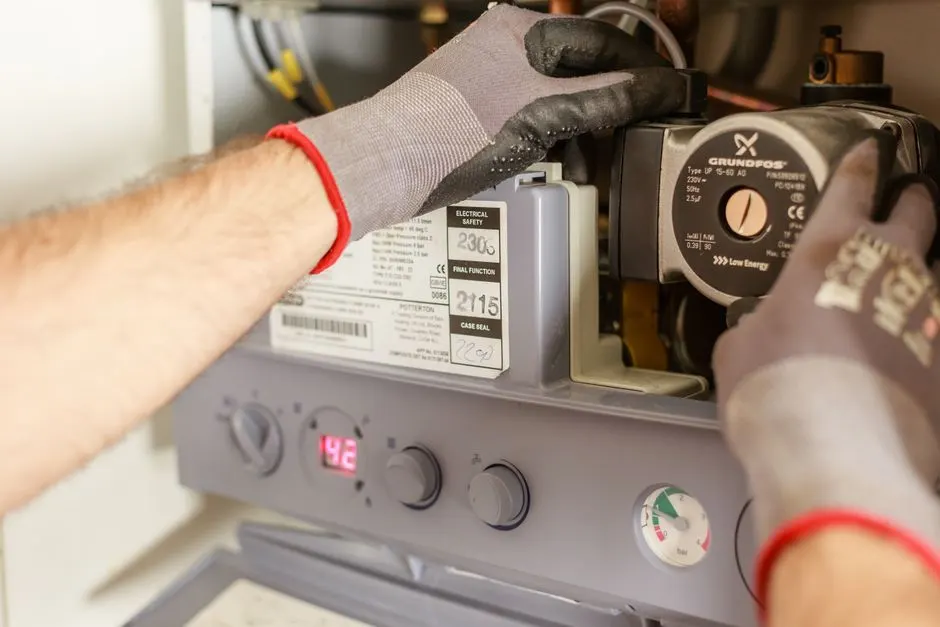
Furnace maintenance and tune-up Ashland OH is a full inspection and cleaning service that keeps your heating system running at peak efficiency. We pull the burners, brush them down, and check the heat exchanger for cracks. We test the flame sensor, thermocouple, and igniter with a multimeter and flame sensor tester. We also verify the gas valve, pressure switch, and limit switch are working within spec. A combustion analyzer measures carbon monoxide levels and flue temperature. Then we replace your furnace filter and check the blower motor and inducer motor amp draw with a clamp meter.
In Ashland, winters drop below 10°F for weeks at a time. A furnace that hasn't been tuned up will work harder, burn more gas, and fail when you need it most. If you've noticed furnace short cycling or a pilot light that won't stay lit, a furnace tune-up in Ashland can catch those problems early. We also serve homes near Ashland University District and throughout Ashland County. Fall is the best time to book, but we run maintenance calls year-round.
Every furnace maintenance and tune-up Ashland OH visit covers the essentials: cleaning, testing, and safety checks. If we find a failed part, we quote the repair separately. Here's what you get with every appointment.
We pull the burners, brush them with a wire brush, and vacuum the compartment. Then we adjust the air-fuel mixture for a clean flame. Dirty burners waste gas and cause soot buildup. This step alone can improve efficiency by 5-10%.
We test the flame sensor with a multimeter and clean it with a wire brush. The thermocouple gets tested with a thermocouple tester. If either reads below spec, we replace it during the visit. These two parts cause most no-heat calls.
We insert a combustion analyzer into the flue and measure carbon monoxide, oxygen, and flue temperature. If CO exceeds 100 ppm, we investigate immediately. This test is the most important safety check in your tune-up.
We test the control board, transformer, limit switch, and pressure switch with a multimeter and voltage tester. The blower motor amp draw gets checked with a clamp meter. Any part outside manufacturer spec gets flagged for replacement.
We install a new furnace filter and check the blower wheel for debris. Then we measure static pressure to ensure proper airflow. A clogged filter or dirty blower wheel restricts airflow and overheats the furnace. We fix both.
We start with a visual inspection of the furnace, flue, and ductwork. We check the thermostat calibration and look for signs of rust, soot, or water damage. This takes about 15 minutes and tells us where to focus.
We remove the burners and brush them with a wire brush. The flame sensor and thermocouple get cleaned or replaced if readings are out of spec. We vacuum the blower compartment and wipe down the inducer motor housing. This step usually takes 30-45 minutes.
Using a multimeter and voltage tester, we check the control board, transformer, and limit switch. We test the pressure switch and gas valve operation. A manometer verifies gas pressure at the manifold. Any part reading outside manufacturer spec gets flagged for replacement.
We insert a combustion analyzer into the flue and measure carbon monoxide, oxygen, and flue temperature. If CO reads above 100 ppm, we investigate immediately. This test takes 10-15 minutes and is the most important safety check we perform.
We install a new furnace filter and run the system through a full heating cycle. You get a written report showing before-and-after readings, parts replaced, and any recommendations. The whole visit runs 90 minutes to two hours.
Purpose-built equipment, used by trained technicians — so the job is done accurately the first time.
Measures carbon monoxide, oxygen, and flue temperature to verify safe, efficient combustion. This is the most important safety tool we carry.
Tests control boards, transformers, limit switches, and pressure switches for correct voltage and continuity. We use it on every electrical component.
Verifies gas pressure at the manifold and checks pressure switch operation. Incorrect gas pressure causes poor combustion and safety issues.
Measures amp draw on the blower motor and inducer motor. High amp draw means the motor is failing or airflow is restricted.
Tests the thermocouple and flame sensor to confirm they're generating enough microamps to keep the gas valve open.
Lets us see inside the heat exchanger and flue for cracks, blockages, or soot buildup without disassembling the entire furnace.
Cleans burners and flame sensors. Gauges check gas pressure and airflow. These simple tools prevent most no-heat calls.
A homeowner in Downtown Ashland called us because their furnace was short cycling every 10 minutes. The house never got warm, and the gas bill was $280 for January. The furnace was a 12-year-old Carrier.
We found a dirty flame sensor and a clogged filter. After cleaning the sensor, replacing the filter, and adjusting the gas pressure, the furnace ran continuously and heated the house to 70°F. The next month's gas bill dropped to $195.
A family in South Ashland had a furnace blowing cold air. The burners would light for 10 seconds, then shut off. They had already replaced the thermostat with no luck. The furnace was a 15-year-old Lennox.
We tested the flame sensor and found it was reading 0.8 microamps, well below the 2.0 minimum. We replaced it with a new Honeywell sensor. The burners stayed lit, and the house heated to 72°F within 30 minutes.
A landlord near Ashland University District had a duplex with two Goodman furnaces. The tenants complained about high gas bills and uneven heat. Both furnaces hadn't been serviced in three years.
We tuned up both furnaces, cleaned the burners, replaced the filters, and balanced the airflow. The upstairs unit went from 62°F to 70°F. The combined gas bill dropped by $85 per month compared to the previous winter.
A furnace that's short cycling, blowing cold air, or making strange noises usually has a fixable problem. Here are the most common issues we see during furnace tune-up calls in Ashland.
Ask a pro →We test the flame sensor and thermocouple first. A dirty flame sensor is the most common cause. If the sensor is clean but the gas valve isn't opening, we test the valve with a manometer and replace it if it's failed.
Short cycling usually points to a clogged filter, a failing limit switch, or an oversized furnace. We check airflow first, then test the limit switch and pressure switch. If the furnace is oversized, we explain your options honestly.
A weak thermocouple is almost always the culprit. We test it with a thermocouple tester and replace it with a matching Honeywell or White-Rodgers unit. We also clean the pilot orifice and check the gas pressure.
We diagnose the noise with a stethoscope and inspection camera. A squealing blower motor usually needs lubrication or replacement. A banging inducer motor needs a new assembly. We stock common parts for same-day repair.
“Our furnace was short cycling every 10 minutes. The technician found a dirty flame sensor and a weak thermocouple during the tune-up. He cleaned and replaced both, then tested everything with a combustion analyzer. The furnace has run smooth for three months now. Fair price, no upsell.”
Mark D.Homeowner, Downtown Ashland
✓ Verified“I booked a furnace tune-up in Ashland after my gas bill spiked last winter. The tech showed me the dirty burners and a clogged filter. He cleaned everything, adjusted the gas pressure, and replaced the filter. My January bill dropped by $47 compared to last year. Worth every penny.”
Sandra K.Homeowner, Ashland University District
✓ Verified“Called for annual furnace maintenance in Downtown Ashland OH and got a same-day appointment. The technician tested the heat exchanger with an inspection camera and found a small crack. He showed me the video and gave me repair options. No pressure, just honest work. I'll use them again.”
Tom R.Homeowner, South Ashland
✓ VerifiedMost furnace tune-ups in Ashland run $89 to $189 for a standard single-stage system. High-efficiency or two-stage furnaces may cost $150 to $250 because they take longer to test and calibrate. That price covers cleaning, safety testing, combustion analysis, and a new filter. If we find a bad part, we quote it separately before doing any work.
Once a year, ideally in early fall before the heating season starts. Ashland winters are long and cold, so your furnace works hard from October through April. An annual furnace maintenance visit catches worn parts and dirty burners before they cause a breakdown. If you have pets or a dusty home, consider a tune-up every six months.
A full tune-up includes burner cleaning, flame sensor and thermocouple testing, heat exchanger inspection, combustion analysis, carbon monoxide testing, gas pressure check, blower motor lubrication, filter replacement, and a thermostat calibration check. We also test the limit switch, pressure switch, and control board. You get a written report with all readings and recommendations.
Sometimes, yes. If the flame sensor is dirty or the thermocouple is weak, the burners won't stay lit and you get cold air. A tune-up cleans or replaces those parts. But if the issue is a failed control board, gas valve, or blower motor, you'll need a repair. We diagnose the exact cause during the visit and give you a clear answer.
 Emergency Furnace RepairWhen your furnace quits at 2 a.m. in January, you need emergency furnace repair. We keep technicians on call 24/7 for Ashland homeowners. A tune-up prevents most emergencies, but when one hits, we respond fast.Explore →24/7 Furnace RepairOur 24/7 furnace repair line stays open through nights, weekends, and holidays. If your furnace won't heat and the house is getting cold, call us. We stock common parts so most emergency repairs finish in one visit.Explore →
 Same-Day Furnace RepairCall before noon and we can often get a technician to your Ashland home the same day. Same-day furnace repair covers everything from ignition failure to blower motor replacement. We diagnose, quote, and fix in one trip.Explore →
 Furnace Not Heating RepairA furnace that runs but doesn't heat usually has a flame sensor, thermocouple, or gas valve problem. Our furnace not heating repair service finds the root cause fast. We test every component and replace only what's failed.Explore →
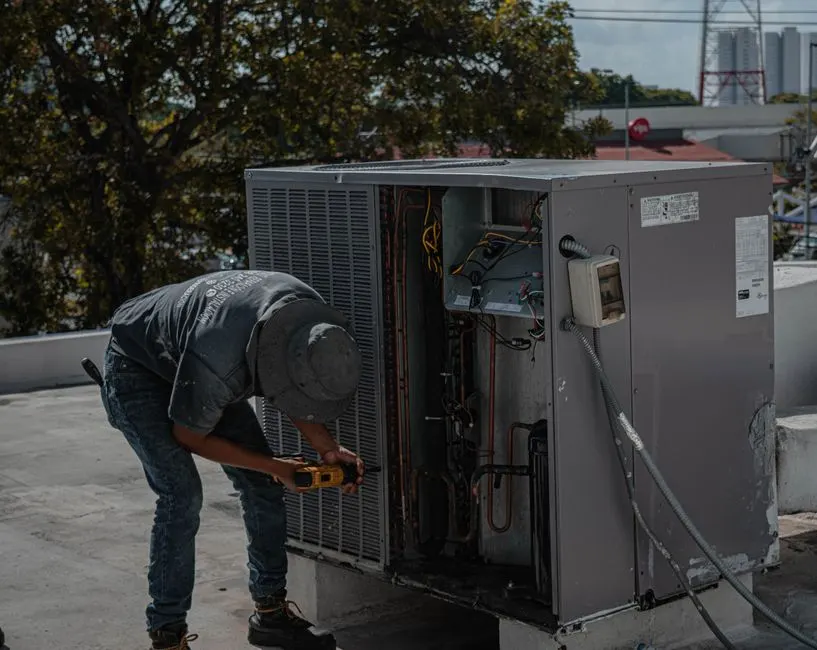 Furnace Blowing Cold Air RepairCold air from your vents means the burners aren't staying lit or the blower is running without heat. Furnace blowing cold air repair starts with a flame sensor and thermocouple test. We also check the control board and gas valve.Explore →
 Furnace Ignition RepairIgnition failure is one of the most common furnace calls we get. Our furnace ignition repair service covers spark igniters, hot surface igniters, and pilot assemblies. We test the igniter and control board, then replace the failed part.Explore →
 Furnace Pilot Light RepairA pilot light that won't stay lit usually points to a bad thermocouple or dirty pilot orifice. Our furnace pilot light repair service cleans the assembly and tests the thermocouple. If it's weak, we replace it on the spot.Explore →
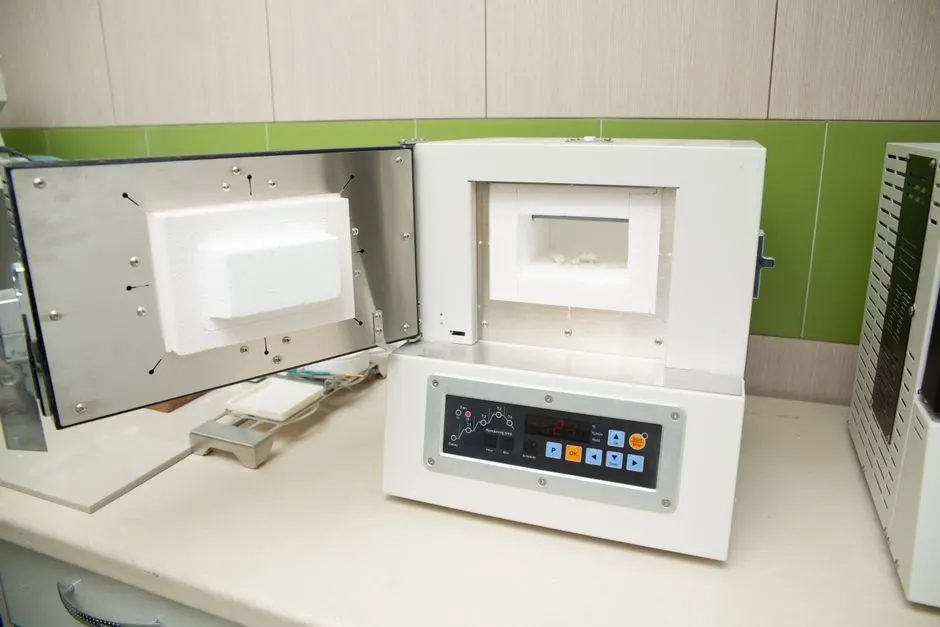 Furnace Thermocouple ReplacementThe thermocouple tells your furnace the pilot is lit. When it fails, the gas valve shuts off. We test it with a thermocouple tester and replace it with a matching Honeywell or White-Rodgers unit. Most replacements take under an hour.Explore →
Don't wait for a cold snap to find out your furnace is struggling. Our NATE-certified technicians are ready to keep your heat running safely all winter. Call +14195820227 or book online. Same-day appointments available.
Schedule Tune-Up +14195820227 →Call +14195820227 any time, day or night, and a live dispatcher will take your address and symptoms. We serve Ashland and Ashland County with same-day and emergency service. You can also email info@ashlandfurnacerepairpros.com and we will reply within one business hour.